
TL;DR
A recording studio should offer more than a room with professional equipment. Look for a studio that supports the way you work, provides helpful support when you need it, and offers services such as mixing and mastering that can help take your music from recording to a finished project.
The right studio can also look different depending on who you are. An independent artist recording a single may need something different from a producer bringing in their own client, an engineer working on a project, or a songwriter developing new music.
Here are three things worth looking for before you book.
1. A Professional Recording Space That Works With Your Workflow
Not everyone walks into a recording studio for the same reason-or works the same way once they’re there.
An independent artist may need a professional space to record vocals or instruments. A producer may bring their own artist or client and run the session using an established workflow. Engineers, songwriters, vocal coaches, musicians, and other music professionals may also need a dedicated space where they can work with clients or collaborators.
That’s why choosing a recording studio shouldn’t only come down to a list of equipment.
You should also ask:
- Does the room work for what I’m recording?
- What equipment is available?
- What do I need to bring myself?
- Can I bring my own producer, engineer, artist, or collaborator?
- Can I work independently?
- Is help available if I need it?
A good recording space gives you room to work the way your project requires instead of forcing every customer into the same process.
Studio Insight
Some recording customers aren’t looking for someone to run their session at all. Independent producers may already have their own workflow and bring artists or clients with them. In that situation, the value of the studio is having a professional environment where they can bring their process and people together.
Professional Equipment Still Matters-But So Does Knowing What’s Included
Equipment absolutely matters when choosing a recording studio, but seeing “professional equipment” on a website doesn’t tell you everything you need to know.
Before booking, understand what is actually available in the room and what you’re expected to bring.
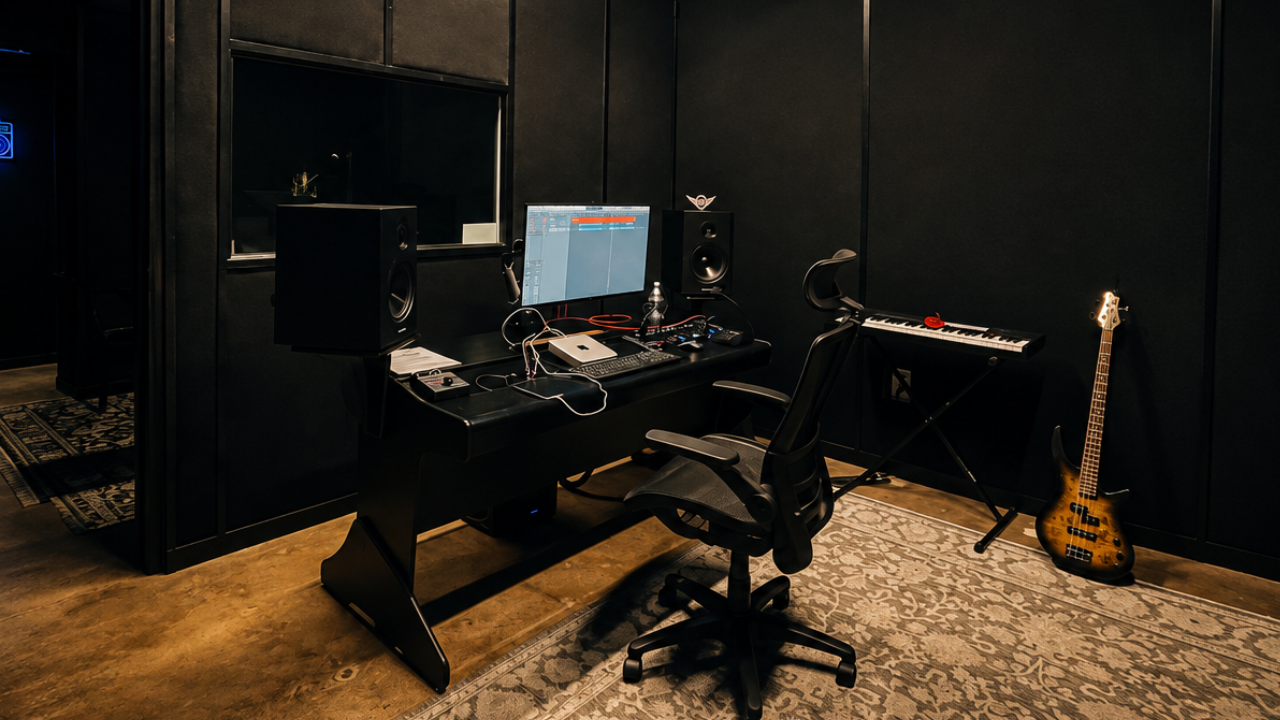
Depending on your project, you may need access to studio monitors, microphones, instruments, a keyboard, recording equipment, or a vocal booth. You may also have equipment, a computer, software, or other tools that are already part of your personal workflow.
The goal isn’t necessarily to find a studio that provides everything imaginable.
It’s to find one that provides the right environment and setup for the way you want to work.
2. Helpful Studio Support When You Need It
Recording studios can be intimidating, especially when it’s your first professional session.
You may have questions about the room, equipment, booking process, or simply what you’re supposed to do when you arrive.
That’s where approachable studio support matters.
At the same time, experienced producers and artists may want the opposite: get into the room, set up their workflow, and work independently.
A good studio experience should accommodate both.
If you know exactly what you’re doing, you should have room to work. If you need help, you should feel comfortable asking for it.
This is especially important for artists entering a professional recording environment for the first time. You shouldn’t feel like you need to understand every piece of studio equipment before you’re allowed to start making music.
Studio Insight
One thing we’ve noticed at Band Barracks is how much first-time customers appreciate having helpful and approachable staff available. Sometimes the question isn’t complicated-they just need someone who can point them in the right direction so they can get comfortable and focus on their session.
Do You Need a Recording Engineer?
Not necessarily.
This depends entirely on how you work and what you’re trying to accomplish.
Some artists want professional assistance with the recording process. Others already work with their own producer or engineer. Experienced producers may book a recording room specifically so they can bring their own clients and run the session themselves.
Before booking, determine what kind of session you want:
- Independent session: You already have your workflow and know how you want to record.
- Producer-led session: Your producer runs the creative and recording process.
- Engineer-supported session: You want professional assistance during recording.
- Collaborative session: Multiple artists, musicians, producers, or other creatives are working together.
There’s no universally “correct” way to use a recording studio.
The important thing is choosing the setup that fits your project.
3. Mixing and Mastering Services to Help Finish Your Music
Recording is only one stage of creating a finished song.
Once the performances are captured, your project may still need mixing and mastering before it’s ready for release.
The process generally looks like this:
Recording → Mixing → Mastering → Release
Recording
Recording captures the individual performances and sounds that make up your song.
Mixing
Mixing takes those individual tracks-vocals, drums, bass, guitars, keys, and other elements-and balances them into a cohesive stereo mix.
Mastering
Mastering works with the completed mix and prepares it for final distribution and playback across different listening systems.
You don’t necessarily have to complete every stage at the same studio. Some artists already have a mixing or mastering engineer they trust.
But having these services available gives you options, especially if you’d prefer to keep more of your project within one workflow.
Not sure which service your project needs?
Look Beyond the Recording Session
For independent artists today, recording music isn’t always the only thing happening during a studio session.
The process itself can become part of the story surrounding a release.
Artists may capture:
- Behind-the-scenes photos
- Short studio clips
- Recording-session updates
- Previews of upcoming music
- Content with collaborators
We’ve seen artists at Band Barracks share and tag their studio sessions as they document what they’re working on.
That doesn’t replace the reason you’re there-to make music-but it shows why the environment surrounding a recording session can matter too.
Your studio isn’t necessarily just where the finished recording comes from.
It can also be part of the process you share with the people following your work.
What Should You Look for Before Booking a Recording Studio?
Before choosing a studio, don’t make your decision based only on price or an equipment list.
Ask yourself:
- Does the room fit what I want to record?
- What equipment is available?
- What equipment do I need to bring?
- Can I bring my own producer, engineer, artist, or collaborators?
- Can I run my session independently?
- Is professional help available if I need it?
- Are mixing and mastering services available?
- Do I understand how the booking and studio access process works?
The best recording studio for you is the one that fits your project, your people, and your workflow.
Finding the Right Recording Studio for Your Project
There’s no single recording-studio setup that’s right for everyone.
A first-time artist may value having someone available to answer questions.
An experienced producer bringing their own artist may care more about having a professional room where they can run their existing workflow.
A songwriter may need somewhere to develop and capture ideas.
An artist preparing a release may need recording followed by mixing and mastering.
Understanding what you need before booking makes it much easier to choose the right studio and services.
At Band Barracks, our recording studios in Houston are used by artists, musicians, producers, and other creatives working on projects at different stages of the music-making process.
Whether you’re coming in with an established workflow or looking for support with your project, the goal is the same:
Give you a professional place to focus on making music.
Ready to Record?
If you’re ready to start your next project, explore the Band Barracks recording rooms and find the space that fits your session.
Book a Recording Studio
Want to See the Studios First?
Not sure which room fits your project or want to see the facility before booking?
Come see Band Barracks in person and get a better idea of the spaces available for your project.
Schedule a Studio Tour
Frequently Asked Questions
What should a recording studio offer?
A recording studio should provide a professional space suited to the type of work you’re doing, clearly explain what equipment and features are available, and provide access to support or additional services when needed. Depending on your project, those additional services may include recording assistance, mixing, and mastering.
Can I bring my own producer to a recording studio?
Some recording studios allow artists to work with their own producers or engineers. This can be particularly useful when you already have an established creative workflow. Always confirm the studio’s policies and room requirements before booking.
Can producers book a recording studio for their own clients?
Yes, depending on the studio’s policies. Independent producers often use professional recording spaces to work with their own artists or clients rather than maintaining a permanent commercial studio of their own.
Do I need a recording engineer when I book a studio?
Not always. If you or your producer already know how to run the session, you may prefer to work independently. If you need professional recording assistance, look for a studio whereengineering supportis available.
What’s usually included with a recording studio rental?
This varies considerably between studios and even between rooms within the same facility. Review the room’s equipment and features before booking, and confirm what you need to bring yourself rather than assuming everything shown in studio photos is included.
Do I need mixing and mastering after recording?
If you’re preparing music for release, your recorded tracks will typically need to be mixed before the final mix is mastered. However, exactly what your project needs depends on how it was recorded and what work has already been completed.
Read our guide to the difference between mixing and mastering for a more detailed explanation.